Indoor training has a way of stripping cycling back to its essentials. No scenery to distract you. No free speed from the wind. Just effort, time, and intention. For many riders, that honesty is what makes indoor sessions so effective and so difficult.
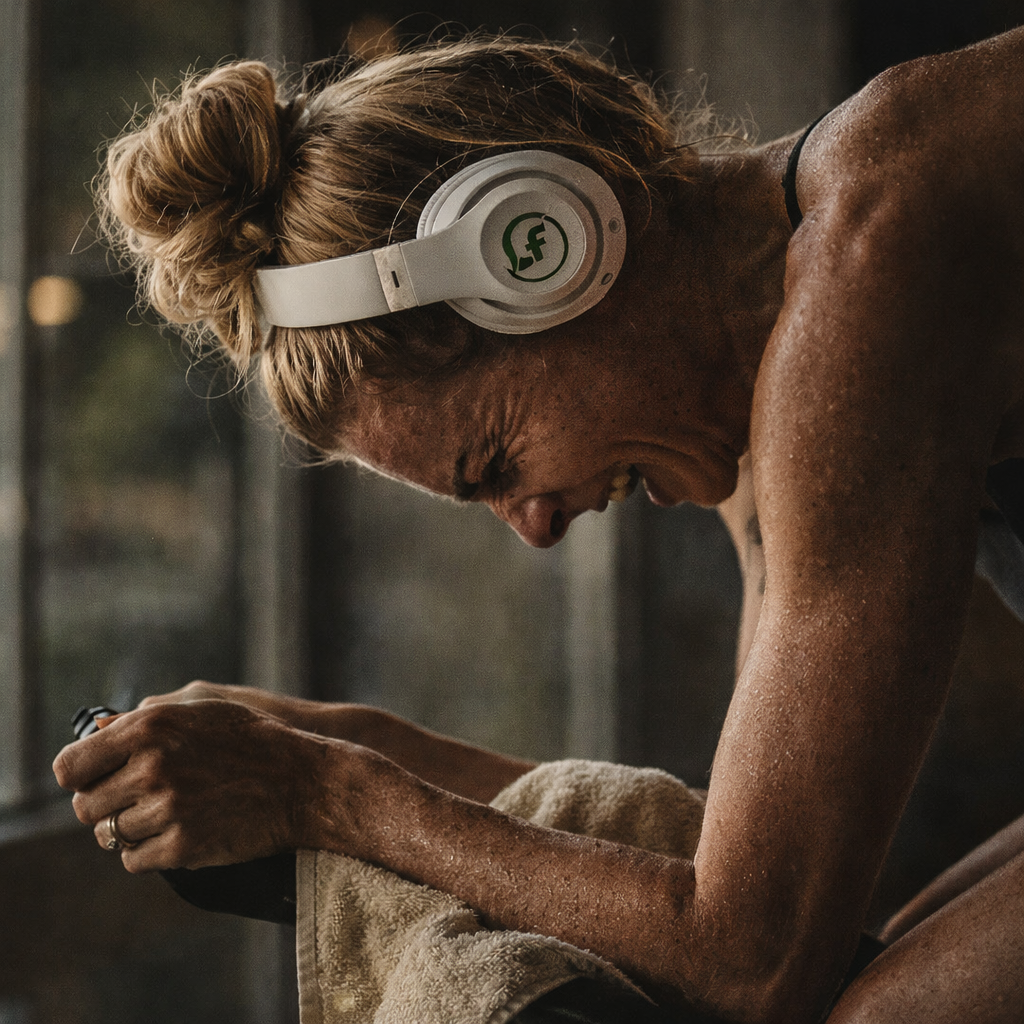
For a London based cycling culture shaped by long winters and unpredictable weather, indoor training is not a compromise. It is a tool. Used well, it becomes a place where fitness is built deliberately and efficiently.
Why Indoor Training Feels Harder
Riding indoors places a greater physiological demand on the body than most riders expect. Without natural airflow, heat accumulates quickly. Core temperature rises, heart rate drifts upward and the cardiovascular system works harder to maintain the same power output. Studies consistently show higher heart rates and significantly greater sweat loss indoors compared to outdoor riding at identical intensities.
This is why riders often feel that indoor sessions bite sooner. It is not weakness. It is physics and physiology working together.
Cooling, Fuel and Focus
Managing heat is central to making indoor training productive. Strong airflow allows the body to regulate temperature more effectively, reducing perceived exertion and helping you sustain quality work. Cooling is not about comfort. It is about performance.
Hydration and nutrition matter just as much. Indoors, fluid loss accelerates quickly and often goes unnoticed until performance drops. Without airflow, sweat rates can exceed one litre per hour, even during sessions that feel controlled. This loss is not just water. Sodium and other electrolytes are depleted alongside it, affecting muscle contraction, cardiovascular efficiency and perceived effort. Even shorter sessions demand intention. As intensity rises, so does carbohydrate demand, with research showing that sustained power output begins to decline once glycogen availability drops. Taking in carbohydrates early supports stable blood glucose, delays fatigue and improves the quality of the work being done. High end gear built for long days in the saddle only delivers on its promise when the engine itself is properly fuelled.
Mental engagement completes the picture. Indoor training removes the natural distractions of the road, leaving the mind alone with effort and time. This is where entertainment becomes more than a comfort. Music, structured workouts, virtual races or visual stimulation reduce perceived exertion by giving the brain somewhere to settle, easing the psychological load of sustained effort. Studies have shown that external focus can lower perceived effort at a given intensity, making hard work feel more manageable without reducing its effectiveness. Indoors, where there is nothing else for the mind to wander to, engagement becomes a performance tool. Indoor training rewards presence, but it also rewards intention in how that presence is supported.
Using ERG Mode Intelligently
ERG mode can be a powerful ally. It excels when precision matters, such as threshold work or controlled VO2 efforts, where holding a target matters more than responding to terrain. Used without awareness, it can also magnify fatigue. Smooth cadence and active engagement are essential. ERG mode works best when the rider remains in control rather than surrendering to the machine.
Indoor training will never be easy. But with intention, cooling and respect for the physiological load, it becomes a place where discipline turns into progress. The payoff arrives quietly, the next time the road tilts upward and the legs respond.